In a move that sent shockwaves through the credit‑reporting industry, a federal judge in Texas struck down a Consumer Financial Protection Bureau (CFPB) rule designed to keep medical debt off consumer credit reports. The decision, rendered on July 11, 2026, has left millions of Americans—especially older adults—in a precarious financial position.
While the ruling was announced in a courtroom, its ramifications ripple across banks, lenders, and borrowers alike. For those navigating Texas’s tight‑knitted lending market, understanding how this change affects credit scores is essential. texasloanstoday.com offers a comprehensive look at state‑specific loan options that can help consumers mitigate the impact of medical debt on their credit profiles.
The CFPB Rule That Was Gone in an Instant
Back in January 2026, the CFPB finalized a rule that would have removed all medical debt from consumer credit reports and barred lenders from using medical information in loan approvals. The agency claimed the change would help approximately 15 million Americans carrying $49 billion in medical debt on their files.
Critics argued the move was overreaching, citing the Fair Credit Reporting Act (FCRA) as a legal ceiling. The rule also aimed to prohibit using medical devices—wheelchairs, for instance—as collateral and to shield certain health details from credit applications.
The Texas judge’s decision reversed this effort entirely, stating that the CFPB had exceeded its authority under the FCRA. As a result, any unpaid medical debt over $500 will remain on credit reports for up to seven years—just like other types of delinquent accounts.
Why This Matters for Texans
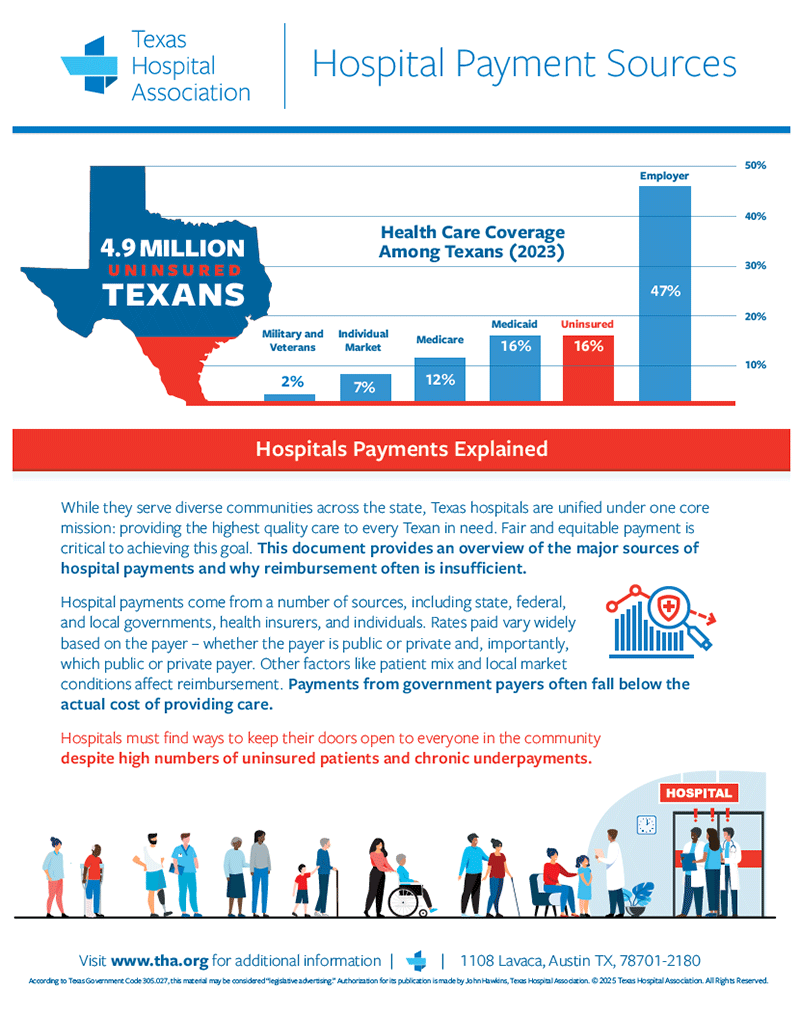
Texas is home to one of the country’s largest populations of older adults, many of whom face significant out‑of‑pocket medical costs. According to a 2026 Census Bureau survey, the average balance among adults 65 and older behind on medical bills tops $13,800.
- Credit Score Impact: FICO models still factor in unpaid medical collections, albeit with reduced weight. However, any account above $500 can still drag down scores.
- Collateral Concerns: The rule’s removal means devices previously barred as collateral may now be considered, affecting loan terms for those who need to secure financing.
- Insurance Gaps: With many Texans relying on Medicaid or private insurance that leaves gaps, unexpected bills can pile up quickly.
How Credit Scores Respond to Medical Debt
Credit scoring models differ in how they treat medical debt. VantageScore, which has been out of the news for a while, eliminated all medical debt from its calculations as early as January 2023. FICO, still used by over 90 % of lenders, incorporates unpaid medical collections but assigns them less weight than traditional delinquent accounts.
In practice, this means:
| Model | Weight on Score | Threshold for Reporting |
|---|---|---|
| VantageScore | 0% | $500 |
| FICO 9/10 | Reduced (≈25%) | $500 |
| Traditional Models | Full weight | Any amount |
The one‑year waiting period before unpaid medical collections appear on reports gives consumers a brief window to address the debt—yet many find it too short, especially when dealing with complex billing disputes.
Strategies for Managing Medical Debt in Texas
When faced with mounting bills, Texans have several options:
- Negotiation With Providers: Hospitals often have financial hardship policies. A simple conversation can lead to payment plans without interest or a reduced settlement amount.
- Medical Debt Advocacy Groups: Organizations such as Undue Medical Debt and the Patient Advocate Foundation offer guidance on negotiating with collections agencies.
- Medicaid Retroactive Coverage: Some states allow retroactive Medicaid coverage for certain medical expenses, potentially wiping out the debt entirely.
- Debt Consolidation Loans: A lower‑interest loan can replace multiple high‑rate medical payments, making it easier to stay current.
Each strategy requires careful consideration of how it will affect credit reports and future borrowing capacity. In Texas, where many consumers rely on mortgage and auto loans for everyday life, the stakes are particularly high.
The Legal Aftermath: What Lenders Are Doing Now
Following the ruling, lenders have begun reassessing their underwriting criteria. Some have tightened credit score thresholds, while others are exploring alternative data sources—like utility payments or rental histories—to gauge borrower reliability.
Texas regulators are also taking a closer look at how state‑level consumer protection agencies might step in to fill gaps left by the CFPB’s vacated rule. In an interview with CNN Select, experts noted that lenders may still use medical information for risk assessment, but must do so transparently to avoid deceptive practices.
Potential Legislative Responses
Advocacy groups are lobbying Congress for new federal legislation that would explicitly prohibit the inclusion of medical debt on credit reports. Meanwhile, Texas lawmakers have introduced bills aimed at protecting seniors from predatory lending tied to medical expenses.
- Bill H-1121: Would require lenders to disclose whether they consider medical debt in approval decisions.
- Senate Bill S-309: Aims to provide additional financial counseling for Texans over 65 dealing with large medical bills.
The outcome of these efforts remains uncertain, but the current legal landscape is clear: medical debt will stay on credit reports unless new federal or state law intervenes.
Practical Tips for Texas Residents Facing Medical Debt
Below are actionable steps that can help you protect your credit and manage costs:
- Track Your Bills: Keep a detailed ledger of all medical charges, insurance explanations, and payment receipts.
- Request Itemized Statements: If you suspect an error, ask for an itemized bill. Discrepancies can often be corrected quickly.
- Ask About Sliding Scale Fees: Many hospitals offer reduced rates based on income; this can cut costs dramatically.
- Set Up Auto‑Pay: Automatic payments reduce the risk of missed due dates, which can prevent debt from escalating.
- Consult a Credit Counselor: A professional can help you understand how medical debt will affect your credit score and recommend repayment plans.
By staying informed and proactive, Texans can navigate this new regulatory environment with greater confidence.
Where to Find More Resources
The Texas Department of Insurance publishes guidance on consumer rights related to medical billing. Additionally, the Consumer Financial Protection Bureau website offers tools for filing complaints or seeking dispute resolution.
For state‑specific loan options and credit counseling tailored to Texas residents, keep an eye on local financial news outlets and community resources. The ongoing debate over medical debt’s place in credit reports underscores the importance of staying ahead of policy shifts and leveraging every available resource to safeguard your financial future.